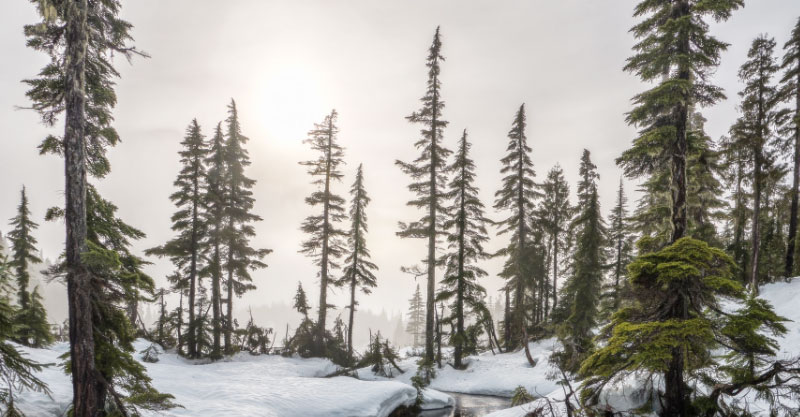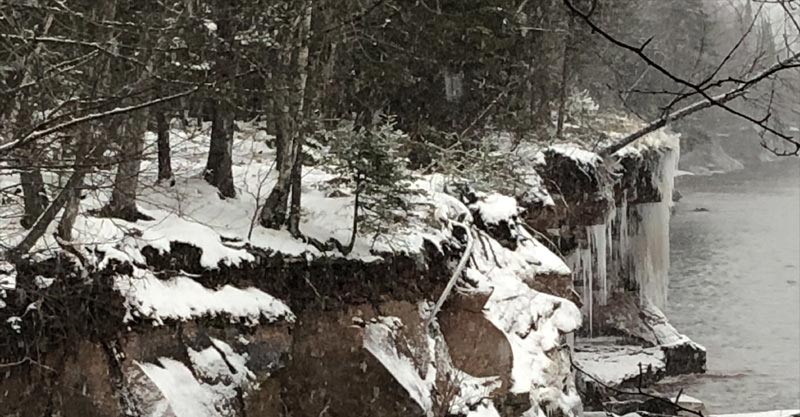
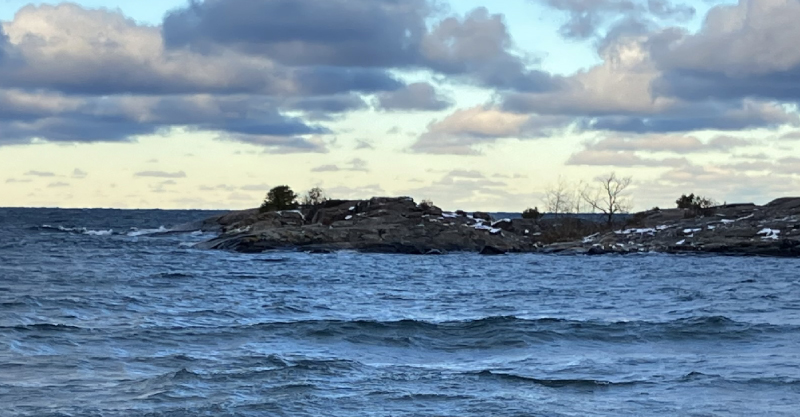
The festivals of the world religions lift up promises of hope during cold, dark winter nights. This is a season for prayer and song.
Barry Lopez, a naturalist and award-winning author, once wrote that it may be prayers alone that hold back the world from destroying itself. Everything is connected, he wrote, by those pleas from the human heart. Hidden. Unseen, yet strong, enduring as steel.
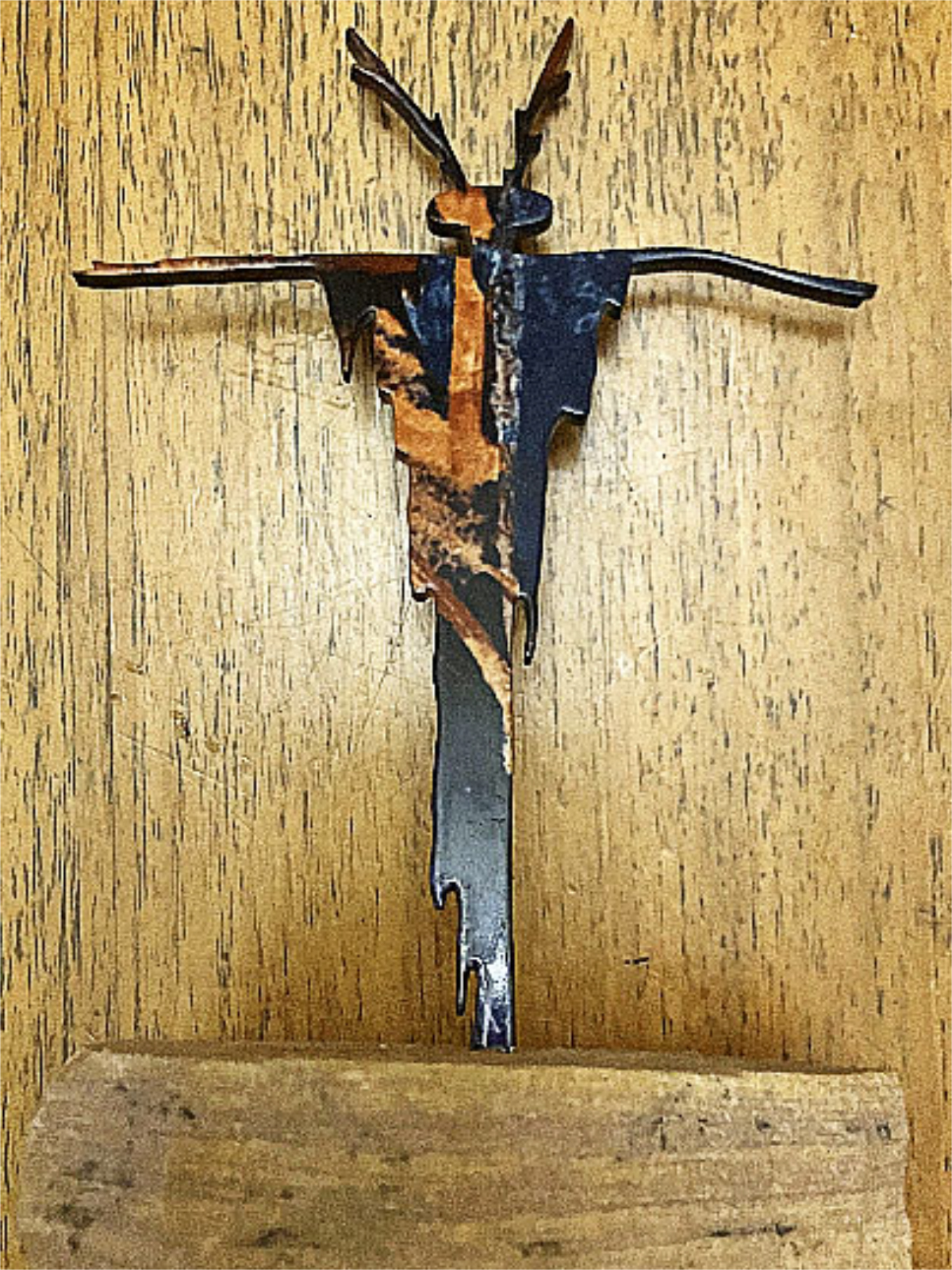
Years ago, a group of us met to send off a student about to be deployed to Iraq. We blessed him that evening with a thousand-year-old liturgical prayer, handwritten on the inside cover of a small New Testament. “Lord, you’ve called your servants to ventures of which we cannot see the endings, through paths as yet untrodden, through perils unknown. Help us to go out with good courage, knowing only that your hand is guiding us, your love protecting us.”
Upon his return from Iraq a year later, he opened a conversation with me, relating that he shared this prayer, the one our student community sent with him, with a handful of soldiers in his National Guard unit during basic training before leaving for their assignments.
One afternoon, months later, he returned from a patrol in a war-devastated occupied city in Iraq. He told me that city’s streets were lined with buried enemy explosive devices. Fear and terror were crippling. He was exhausted. At that moment, he became aware of a group of soldiers, sitting in a small circle in an adjoining room. Heads bowed, they were whispering “You’ve called your servants to ventures of which we cannot see the endings, to perils yet unknown. Help us to go out with courage.”
Coincidence? Perhaps. Perhaps not.
This fall, my wife and I hosted a faith leader from East Africa in our home. At the time, one of our granddaughters was having frightening dreams. Her parents contacted me. Our Tanzanian guest offered a prayer he thought might be helpful to pass on to her. “Evil one, get out of my home. Risen One, make a dwelling place within me.”
My Tanzanian colleague said he learned the prayer as a boy in his family’s village near Mt. Kilimanjaro. Years later, he was walking one night through a crowded district of his country’s capital city. He passed by a few men drinking, sitting together on a street curb. A few of them intoxicated. Startled, he stopped. They were singing, “Evil one, get out of my home. Risen One, make a dwelling place within me.”
Much is uncertain in this world. Some things are not. A handwritten prayer for courage and safety remains inscribed in a New Testament once carried to Iraq. A ten-year-old in Virginia is folding her hands tonight, eyes closed, facing the fear of a coming night. Whispering a prayer once lifted up as a tangled cry for salvation in a back street of Dar es Salaam.
Winter 2026 Ecotone Newsletter
CONTENTS
JOURNAL NOTES
Tim Bernard and Deborah Gelerter have accepted a position with the ELCA Department of Global Missions in Central America. Tim served as a pastor with the NGLS of the ELCA. We give thanks for his years serving congregations in Minnesota, Michigan, Florida, and Alaska. And at Messiah with his wife at the time Laurel, and children.

On October 1st, framed by a garden overlooking the Cumberland River in Tennessee, the CTI director ofciated at the wedding of Jon Burchfeld and Lily Carter. Jon and Lily live “off the grid” up near Granite Point on a cliff overlooking Lake Superior. They are adventurers. Jon is a pilot providing seasonal support for wildland fre fghting operations. Lily works at Marquette’s hospital. Over the course of the last ten years, they’ve completed over 100 free-fall parachute sky dives together, hand in hand, from thousands of feet in the air. For their wedding, Jon and Lily prepared, cooked, and served a candlelight wedding dinner for guests on an outdoor patio.
This past September, Washington State’s Glen and Sue Johnson gifted us with their presence on a visit to the Midwest. We’re delighted to have received their gift of the recently published “Deep River,” by Karl Marlantes. The setting for that story is the logging community of Glen’s youth. It will be read with gratitude these coming winter evenings, by the light of a cabin woodstove. Thank you!
In November, CTI’s Director offered the invocation for the UP Regional Labor Federation’s Hall of Fame dinner. The often forgotten legacy of union organizing in partnership with churches during the 1930s was referenced. That was a time, like the present, of division. Occasions that call for sacrifce and courage.
A word of appreciation to Jack Fillmore , who assisted the CTI Director in this past September’s 2025 Healthcare Conference held at NMU. It was a keynote presentation for nurses and social workers. Thanks to Kate LaBeau for the invitation. Will Sharp and Ken Kelley provided assistance with music and visuals.
Nanda and Pam Shrestha hosted the CTI Director in September to work together on a final version of “Journey: A Pilgrimage Across, Time, Space and Culture.” The book is a compilation of interviews with Nanda, who grew up in the mountain country of Nepal and traveled to the United States to study in 1972. In following years, he became a tenured university faculty member in Wisconsin and Florida. He now resides with his wife Pam in Tampa, not far from their son Kiran.
A shout-out to Makari Rising , MSW, for leading a meditation group at Peter White Public Library on behalf of The CTI, part of our wider community’s 4Cs (Compassion, Care, Communication, Community) series, now moving into its 2nd year.
Words of gratitude to Steve Mattson who served these past months as a coordinator for establishing two community drinking wells. One in Cambodia sponsored in partnership with First Presbyterian Church in Marquette. The other in Tanzania in collaboration with the Northern Great Lakes Synod of the ELCA (Lutheran). Steve was responsible for communication with networks in both countries. He met, on numerous occasions, with faith leaders and congregations here in the Upper Peninsula. CTI served as the coordinating organization for this 2024-25 Interfaith effort.
And a collective bow to Paul Tiziani, mail carrier for the US Postal Service, on the East Side of the City of Marquette. Due to medical leave, Paul has now lef that role. He continues to be remembered as a beloved, familiar fgure for families — and dogs whom he befriended over many years. He remains a legend for many of us, delivering our mail in rain, sleet, snow, and storm.
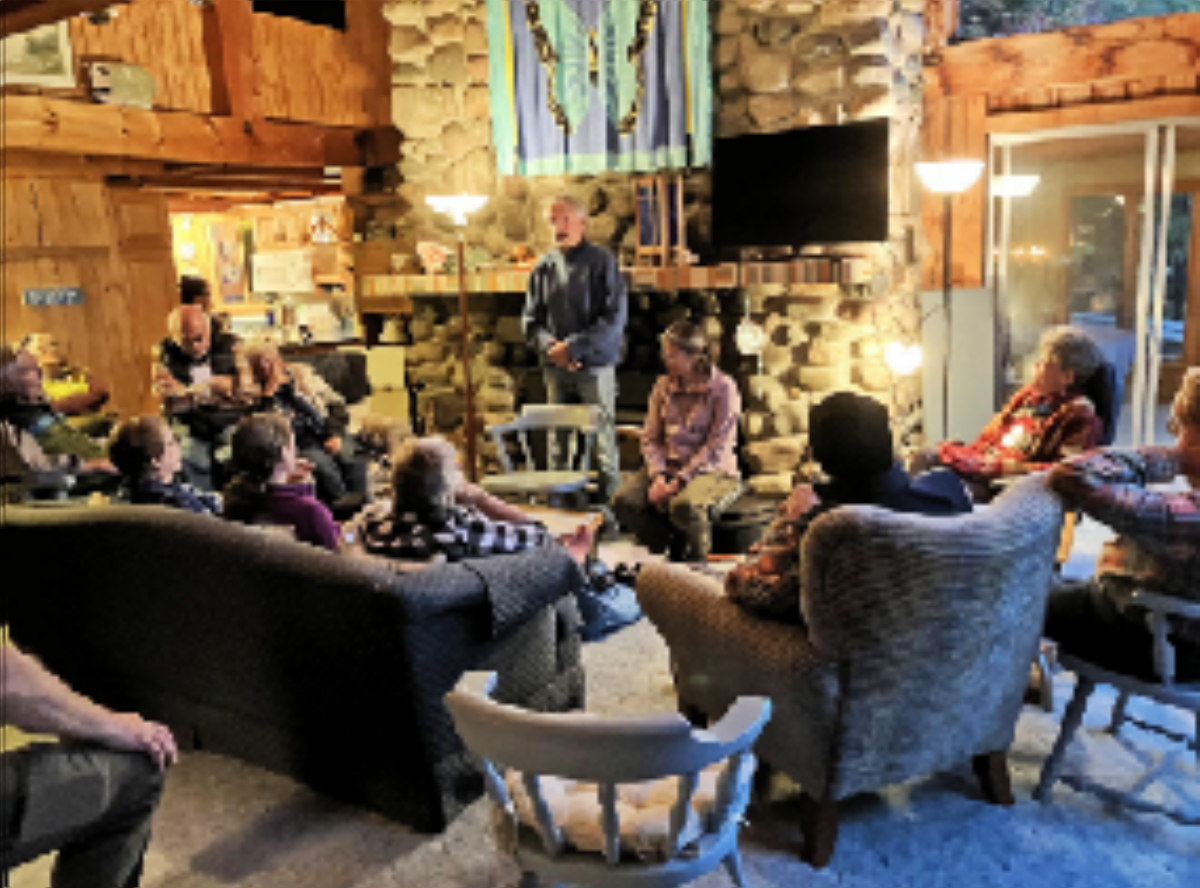
Spirit of Place retreat. Big Bay, MI.
PROJECTS & PROGRAMS
COMING HOME
In Partnership with the Blue Shield Blue Cross Foundation and the Superior Health Foundation
Thanks to a vision of Stuart Johnson and Mike Grossman , both medical hospice directors, a series of four retreats and public presentations will take place in 2026. Tis project supports hospice workers and volunteers who serve remote settings in rural Northern Michigan. Partners include the Keweenaw Bay Indian Community, Harvard Medical School staf, and Northern Michigan University’s Department of Social Work. Goals include deepening the quality of end-of-life care, supporting medical providers, and raising public awareness of how our communities are shaped by rituals of grief and community solidarity.
The Cedar Tree Institute will serve as coordinator for this project. Will Sharp, NMU graduate social work student intern, and Doug Russell, CTI grant administrator, will serve as key support staff. Mike Grossman will serve as the project’s co-director.
WATER & TREES
The 2024-25 Interfaith Water Stewards, coordinated by Te Cedar Tree Institute, will come to a close with a beneft concert in the spring of 2026 with Michael and Pam Shirtz.
We’ll be lifting up dozens of volunteers and faith communities who helped us meet our goals. Among those benchmarks was the planting of 1000 Northern white cedar trees.
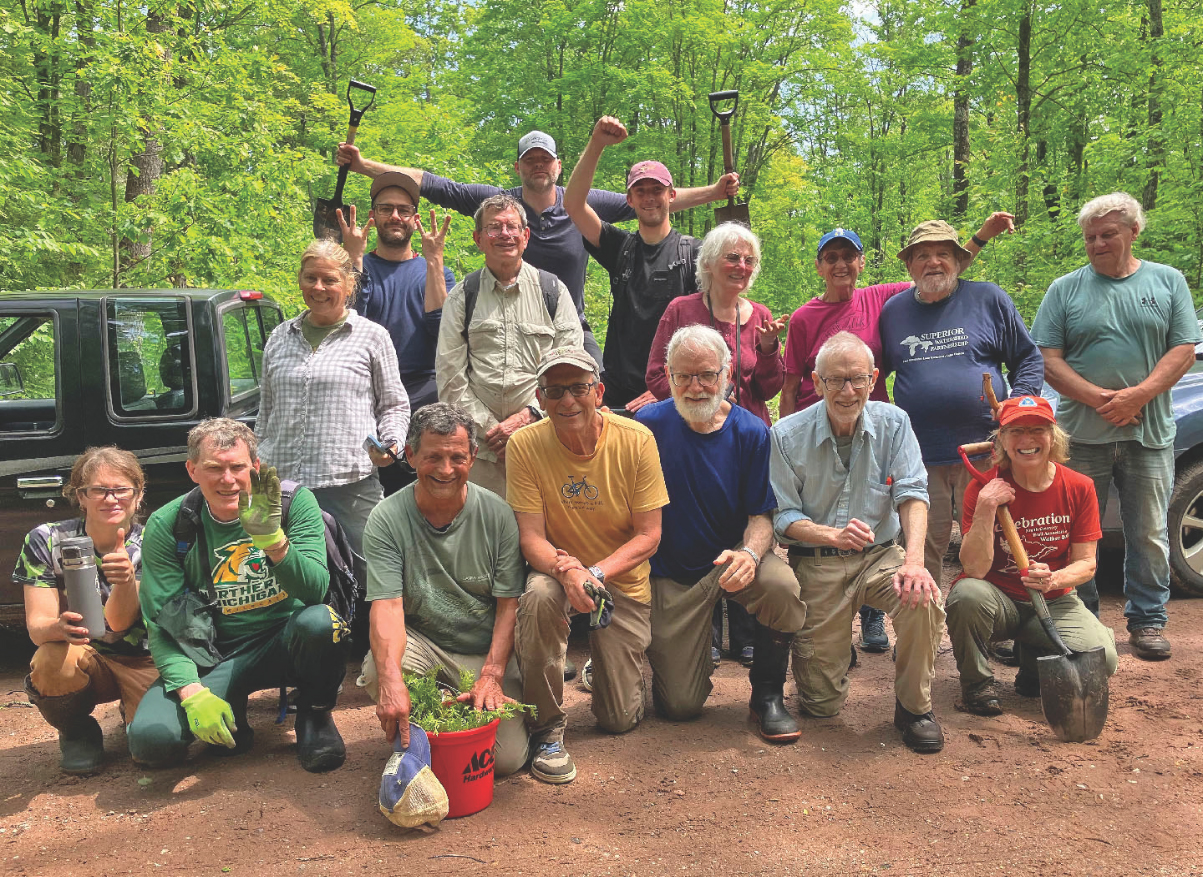
Trees are essential to the balance of our earth’s living ecosystem and the recycling of our planet’s water resources. They are a core symbol found in all religions of the world.
The heartbeat for all CTI projects and programs is found in our seasonal planting of the species of cedar unique to Canada and the North Eastern United States.
We carry on, thanks to donations. And the skilled guidance of Jeff Noble, Ken Kelley, Judy Krause, Wild Church, and the Yellow Dog Community Forest. They will be leading the way in 2026.
SPIRIT OF PLACE
BONES OF THE EARTH
An Experience of Engaged Spirituality
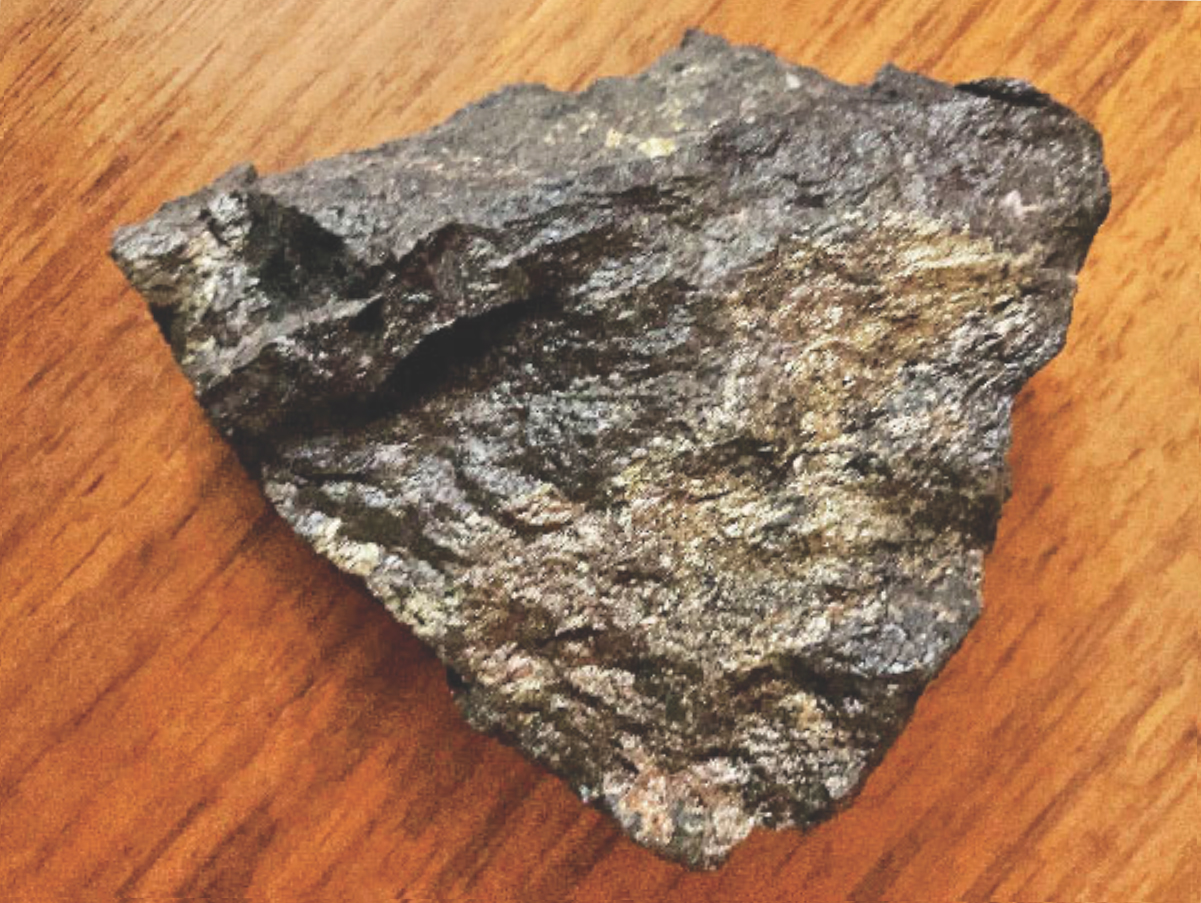
In mid-October, folks traveled from Texas, Wisconsin, Illinois, Ohio, Rhode Island, and Washington State to participate in a Cedar Tree Institute retreat on the geology of the Northern Great Lakes Basin. Chuck Tomas, a geologist, led discussions as we pondered the geological heritage of this part of the world. Wendy Johnson and Tom Badger, two geologists from Washington State remarked they’d previously not experienced anything like this: Science illuminated by theological perspectives, self-refection, and dialogue.
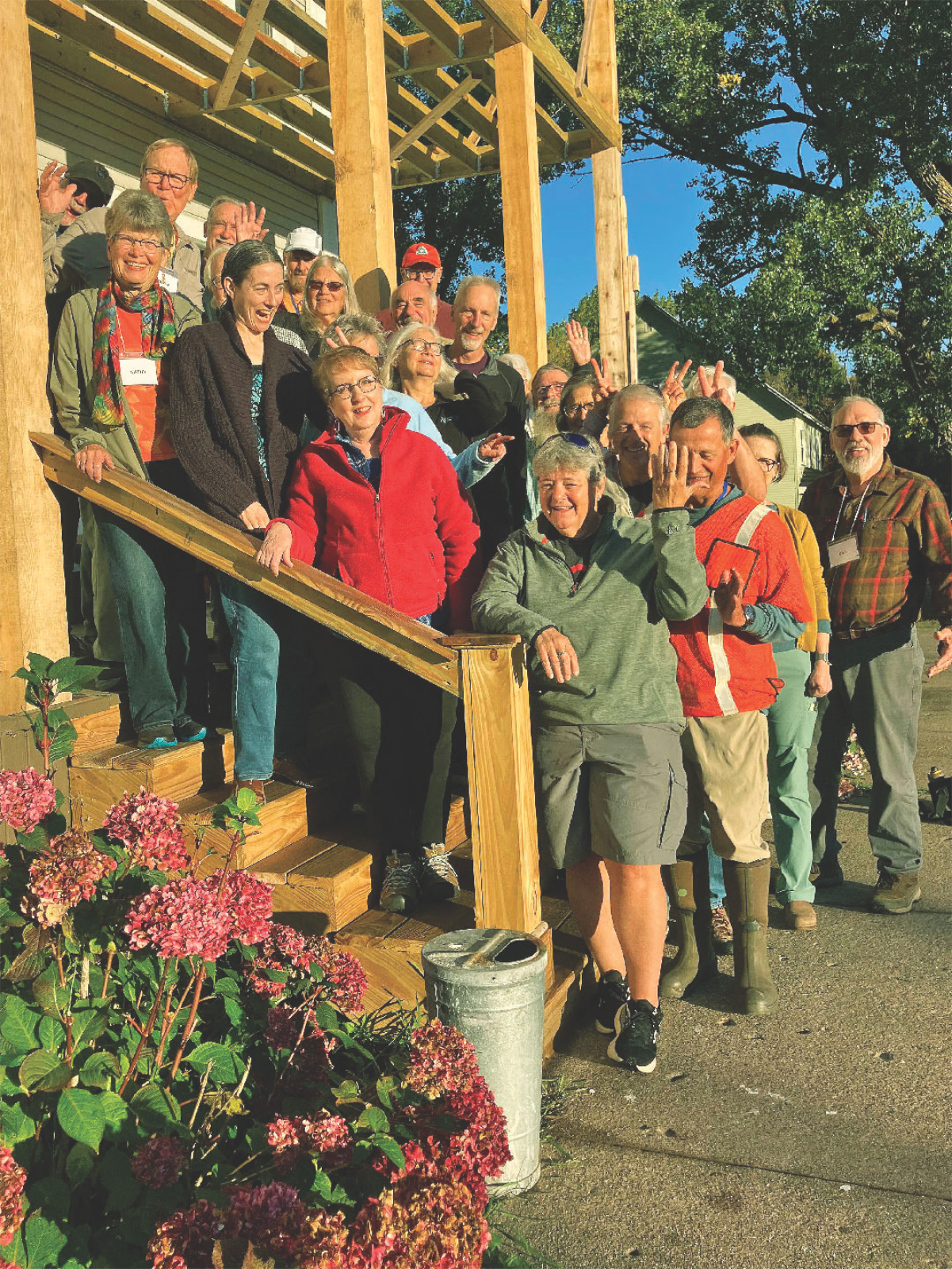
The Tunder Bay Inn in Big Bay served as our retreat base with feld trips to billion-year-old formations of the Canadian Shield. Together we enjoyed chef-prepared dinners at remote cabins, visits to the gates of the Eagle Mine, presentations from poets, musicians, and environmental activists.
Thanks to Elizabeth Palmer, Associate Editor with Te Christian Century Magazine who proposed the idea of such an event back in September of 2024. And to resource persons Kathleen Heideman, poet, Michael Waite, musician, and support team Melanie, Nathan, and Oakley. John Palmquist, retired geologist and participant in the frst CTI kayak retreat in 1996, your spirit danced with us during those days.
B. RAINEY
The following is from an unpublished collection of reflections written by the CTI Director. It’s an account of one experience, which initially appeared as coincidental. The reader is invited to come to their own conclusion.
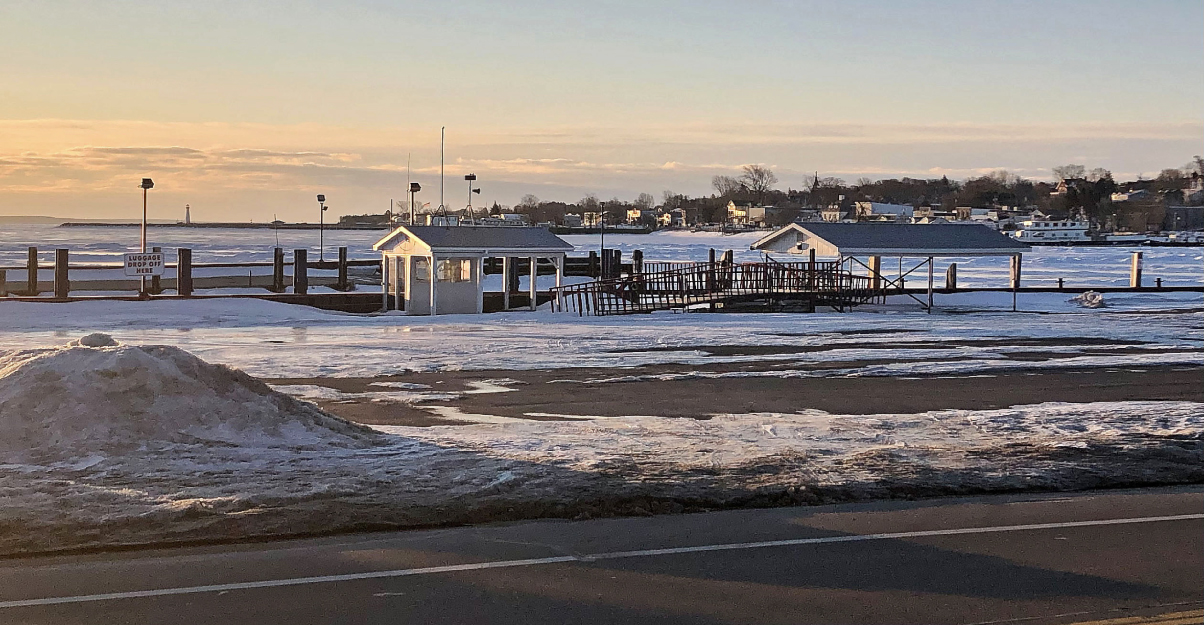
When I first met Bonnie Rainey in 1973, she was a member of Zion Lutheran Church in St. Ignace, Michigan. Due to a lack of active members and financial support, that congregation held its last service on November 2, 2025, All saints Day.
Are not two sparrows sod for a penny? Yet not one of them will fall to the ground without the Father’s care.
– Matthew 10
I received the collect telephone call a little after 10:30 P.M. It was a November evening. Dark. Wet. Cold. Tree branches hung heavy witgh frostr. Set agauinst the edge of Oregon’s coastal range, our university town’s rooftops were covered with heavy mist. Time-wise, it was three hours earlier in Mackinac Couty, Michigan.
The call didn’t come exactly by surprise. Every six months or so, Howard Cruistp would call me to share news of day-to-day life unfolding in St. Ignace, a one-time bustling commercial fishing village,, the small tourist town where I served five years as a parish pastor. Graduate studies subsequently led me, my wife Diana, and our five-year old son to Milwaukee. Two years later, our family, along with our new daughter, moved to the Pacific Northwest, wehre I began service as a Lutrheran campus pastor at Oregon State University.
It was seven years since wer left Michigan. Howard, a single man with bright eyes, of Ojibwa descent he was prou8d of, carried a jail record with local police. He lived a troubled, emotional life. In most regards Howard and I inhabited different worlds. On some levels, we were close as brothers.
Our conversations, however brief, kept a connection for me with a part of Michigan’s Upper Peninsula my family and I once calledf home.
We were a few minutes into our usual exchange of local news when Howard remarked, “I stopped by to pick up my monthly check at the welfare office this morning. People were talking about Bonnie Rainey. Trying to locate a relative or family member. She died, they said, a couple days ago. Couldn’t find any relatives to contact.”
“What happened?” I asked. He replied, “Don’t know details. The staff said they were contacted by police in Salem an hour before I stopped by.”
“Salem, Massachusetts?”
“Don’t know. They just said Salem.”
Moments later, we finished our conversation. I put the phone down, ready for a night’s sleep.
Then, decided, on a hunch, to call Salem, Oregon’s Police Department. Tirty miles north of Corvallis, the community where my family and I had now made our home.
A weary, yet cordial voice responded to my inquiry, Did they have any record of a recently deceased Bonnie Rainey?
“In fact, we do have a Bonnie Rainey listed. Didn’t notice at frst glance. Reason is she’s listed as a transient. We have no information on her.”
I asked where the body was. Te ofcer replied. “It’s at a local funeral home. Here’s the number you can call.”
It was now close to 11 P.M. An answering service connected me to the staff member on the night shift. I inquired if any burial plans were in place.
“Tomorrow, 10 A.M. But it’s a formality. There’s no family around. Probably no one will be present. One of us usually does a simple ceremony. Nothing much, fve minutes or less.”
“I was her confrmation pastor in Michigan. I just found out tonight about her death. I’m not far from you, less than an hour. Would you mind if I ofciate at her funeral tomorrow?”
“No problem. If you could be here about 10 A.M. that would be good.”
I drove to Salem the next morning, on a back road. Central Oregon had just received its frst snowfall for the winter. In the back of my Toyota station wagon was a liturgical robe and stole that I’d worn the Sunday morning of Bonnie Rainey’s confrmation, ten years earlier.
I frst met Bonnie Rainey during the initial days of my frst church assignment as an ordained Lutheran pastor. It was a two-point parish located on the shores of the Straits of Mackinac. Congregation members soon informed me that her mother died of cancer a few months before our arrival. Bonnie was the oldest of four children. She was thirteen years old.
Her father, Art, a part-time employee of the County’s road crew, worked as a snowplow driver during harsh winter months. Some nights, during heavy snowfalls, he’d drive up in front of our church he and his children attended. He’d blink the snowplow lights in mischievous tribute.
Bonnie struggled in school. She was epileptic and unable to fully articulate or defend herself. She ofen was a target of ridicule among classmates. Her frst trip out of Mackinac County was to a summer leadership camp at Fortune Lake, four hours distant. She was 14. Te congregation pitched in to buy a corduroy pants suit. Diana took her to the local clothing store to make the purchase so she’d have a fresh start on her journey.
During Bonnie’s junior year of high school, her father Art approached me one Sunday morning. He announced that winters were getting too hard for him. He said he had a friend in Arizona. Thought it best to pack up with the kids, start a new life, somewhere warm. Where the sun would be shining. I asked him what he was going to do about work. He replied, “My friend has a job washing dishes waiting for me. Tat’s OK. I’m ready to do just about anything.”
Following a Sunday service, he and his family packed up and drove West.
I make it a point to arrive early at the Salem funeral home. I hope it might give me some time to talk with the funeral director. He’s standing near a desk at the entrance, the only person in the building. A shaded light illuminates the room. I ask what he knows about Bonnie Rainey.
“Not much. She was a ward of the State. Died in a nursing home on Tuesday. No money, no relatives. At least no one the authorities could find.”
“Who covers costs for such burials?”
“Te state picks up the tab. $300. Doesn’t even pay for staf time and a casket. We pass these kinds of cases around among the funeral homes here. To be honest it’s a drain on us. If you want to know more, here’s a telephone number for the County nursing home.”
Asking to borrow a phone, it takes a few minutes to make a contact with the local nursing home. I inform the supervisor of my relationship to Bonnie as her former pastor. She says that normally because of policy, she’s not allowed to disclose information, but because there are no relatives, she’s willing to share what she knows. I ask about the caseworker, if there’s a chance I can speak with her. Hesitating, the supervisor says, “It’s a mess. Te social worker is on sick leave. She got an allergic reaction to lice when she unpacked the small, dilapidated cardboard box of Bonnie’s belongings.”
“Tis is what I do know,” she continues. “Tree weeks ago, Bonnie and a traveling companion, we think a boyfriend, arrived at the Greyhound bus depot here in Salem. Te ticket she carried indicated they’d traveled north from Tucson, Arizona. Tey got of the bus. She walked a few yards, then fell to the foor with a stroke. She had no identifcation on her. We transferred her from the emergency ward to our long-term nursing facility. She was in a coma here until she died, three weeks later. Te young man, I was told, visited her each day. Just came and sat quietly by her bedside. He never spoke to anyone. He listed his temporary address as the Salem Mission, a shelter for the homeless. It’s my understanding he lef town yesterday. No forwarding address.”
It’s now shortly before 10:30 A.M. Te funeral director points toward the chapel door where the casket waits. Watching me put on my alb and stole, part of my Lutheran liturgical tradition, he asks, “Would you like to have some taped music for the funeral?”
I respond, “That won’t be necessary.”
“Oh, one more thing. “There’s a couple of women in there. I don’t know who they are. Most of the time, in these types of circumstances, nobody shows. We published an announcement of the burial, one or two lines, in yesterday’s paper, but no obituary.
I enter a small, heavily curtained room and see a simple, inexpensive casket up near a candelabra. It holds no candles. Tere are six or seven rows of folding chairs. I approach the casket, make the sign of the cross, then turn to face two middle-aged women.
Welcoming them, I explain to them my one-time role as Bonnie’s pastor, years ago, back in Michigan. I mention it was only last night I learned of her death. The funeral home has allowed me to officiate at her funeral. We move three chairs in a semi-circle around the casket. I ask if they would share for a moment or two what brought them here.
One of the women begins. “I have a brother who’s been at the nursing home where Bonnie spent these last three weeks. There was something about her. And the young man who would come eah day to sit by her side. I’m a Baptist. I made it a point to pray for her every day. I know she probably had no one around besides that young man. I thought it good that I come today and be here.”
The second woman, of Hispanic descent, speaks next. She holds a rosary in her hands. “I work at the nursing home as an aide. I’m Roman Catholic. I washed her body each day. I emptied her bedpan. I knew she was alone. No family. This is my day off.But I wanted to be here.”
The ritual is brief. A scripture lesson is read from Matthew 10. We join together in a brief litany, followed by the 23rd Psalm and Lord’s Prayer.
I’ve carried with me a small leather bag of soil from our garden in Corvallis. Taking a handful of it in my palmk, it slips through my fingers over the casket. A final blessing is offered. A centuries-old Danish committal prayer. “From dust you have come, Bonnie Rainey. To dust you return. And from dust you shall rise again.”
Following a moment of silence, our little congregation of three disperses.
The funeral home director catches my attention as I am about to leave. He hands me an envelope.
He says, “Twenty-five dollars for your services. It’s part of the contract we have with the State.”
I hand back the envelope. “Please use this to buy some flowers for her gravesite.”
He responds, “That’s impossible, Reverend.”
“Why is that?” I ask.
“With the snow last night, any flowers will only last a day or two.”
“Please purchase some flowers for her grave. A day or two. That will by fine.”
Months pass. A few days before my family and I left Oregon for new work and life in Seattle, Diana and I took an afternoon to visit the Salem cemetery where Bonnie’s body had been buried in an unmarked grave.
The grounds keeper retrieved maps of cemetery plots, then led us to a sloping ridge of grass. He used a tape measure to make the proper, measurement identifying the gravesite.
This portion of Salem’s cemetery plots, for some unexplained reason, faces East. Each morning the rays of a rising sun appear over the Cascades, gently kissing this particular hillside of unmarked graves in the Willamette Valley.
Over many years, I’ve been asked what brought me and my family to Oregon. I’ve always responded with usual remarks about networks, vocational opportunities, what often appears as the random absurdity of ecclesiastical politics.
I know now, it was to bury Bonnie Rainey.
IN MEMORIUM
Jay Steward 1927 – 2025
Jay was a neighborhood friend of ours who lived on Ridge Street in an historic home overlooking Marquette’s Lower Harbor. Into his 80s, he regularly roller-skated along our city’s bike paths. A former engineer, he and his beloved wife Lotta lived on the East Coast until his retirement. Lotta died in 2018. At Jay’s recent memorial, his nieces recalled his graceful, elegant presence and ever-inquisitive mind. Jay was 98 years old. He never owned a cell phone or a computer.
Derick Lee Joyal 1999 – 2025
Two roses sit on our dining room table at 403 E Michigan. Gifts from Deklan and Adelyne, three-year-old twins, who offered them to us at the close of a funeral service for their father.
Ayrel Araynos, sister of Derick Lee Joyal, invited the CTI Director to assist in coordinating a memorial ritual for her brother in October. Derick was a 23-year-old young man who loved trail riding, who was gifted as an artist and mechanic. He also was someone who struggled to find his way.
He died unexpectedly earlier this year.
Ayrel requested the singing of “Mercy Now”at the close of the service. Te lyrics read ,“We think we don’t deserve it, but we all need some mercy now. Each of us is living on a thread between heaven and hell. Each of us needs some mercy now.”
Sandy Grenke 1940 – 2025
Sandy grew up in a farming family in Wisconsin. She was a teacher for over 40 years, most of that time devoted to teaching children how to read as a part of Title 1 programs. Her faith and family served as a foundation for her over the years, supporting her husband Herb’s career as a football coach and faculty member at NMU.
The loss of her daughter Stephanie, whose life ended unexpectedly, was a pivotal moment in Herb’s and her journey. During recent years, Sandy and Herb spent time at their daughter Liz and husband’s cottage in New Mexico, where she painted desert landscapes, crafted sage bundles, and tended to the hummingbirds she adored. Lif up prayers for Herb and Liz, son-in-law, William Leach; and grandchildren, Everest and Charlotte.
ON THE HORIZON 2026
MIND/BODY CLASSES AND WORKSHOPS
The Iron Butterfly Series via Zoom
Mondays
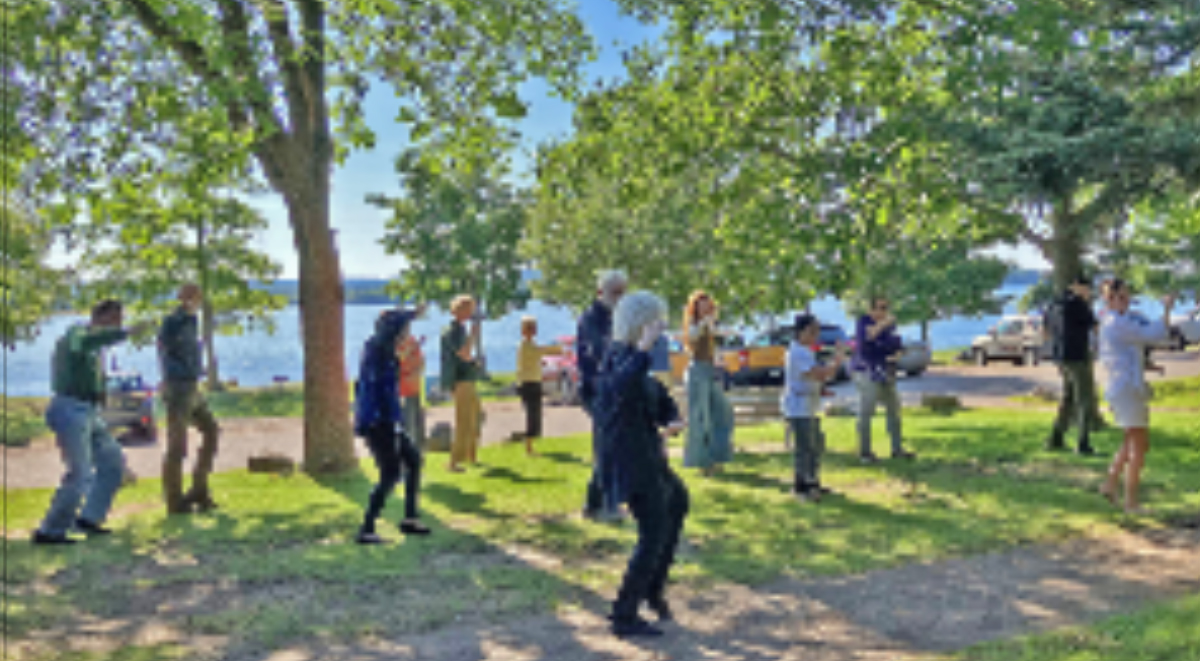
On-site Tai Chi Classes
St. Paul’s Episcopal Church
Wednesdays
Yang Saber Form
CTI in partnership with Unity Yoga
(February – March)
The Way of the Dream
A three-part series integrating dreams, psychology, and spiritual disciplines
(February – March)
Planting 1,000 cedar trees
(May – July)
Spirit of Place
Our next retreat is “The Spiritual Brain,” scheduled for April 2026 at a Benedictine monastery near Santa Fe, New Mexico.
For more information: The Spiritual Brain
IN GRATITUDE
Special thanks to you, who come from all walks of life, for continuing to support us. The Institute owns no property, has no full-time employees. We work between the lines of larger institutions and agencies. A bow to Jim Elder and Steve Mattson who continue as key CTI Board members. They’ve been there. Every step of the way.
The Cedar Tree Institute’s Ecotone newsletter, issued three times a year, is also available online at: www.cedartreeinstitute.org
This single communication remains our life-line since CTI began in 1995.
CTI BOARD
- Jon Magnuson, CTI Executive Director
- Steve Mattson, Financial Consultant
- Jim Elder, Attorney
ADVISORY COUNCIL
- Larry Skendzel, Physician, Hospice Care
- Gareth Zellmer, Consultant, Trainer
- Ken Kelley, Professor Emeritus, NMU
- Rick Pietila, U.S. State Department
- Jan Schultz, Botanist, USFS, Retired
- Michael Grossman, Family Physician
RESEARCH ASSOCIATES
- John Rosenberg
- Ruth Almén
- Joseph Piccione
- Kent Fish
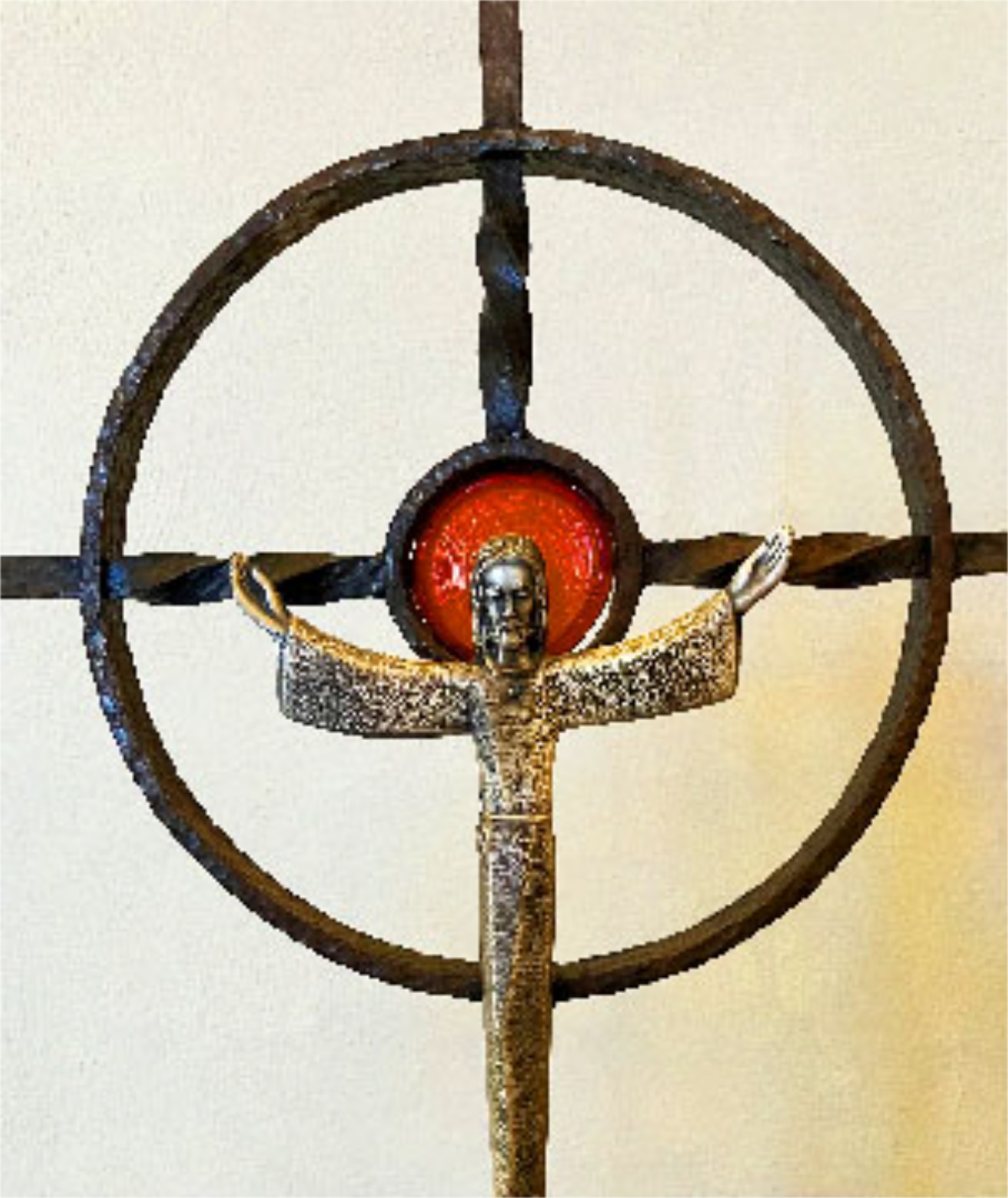
Soli Deo Gloria — “To the Glory of God”
Zion Lutheran Church in St. Ignace, Michigan, held its last worship service afer a history of 112 years. It was one of two congregations that I served as a parish pastor from 1973-79. It was the setting for Diana’s and my frst years of marriage, the birthplace of our son, Joshua. Zion settled two Vietnam refugees during those years. James Boynton, now a member of the Jesuit Order, was an eight-year-old neighbor boy at the time. He recalls, with a smile, our congregation’s long history of cookie bakes. In 2022, Zion’s narthex served as a meeting place for planning sessions with three area Native American spiritual leaders. Tose meetings led to the return of Fr. Jacques Marquette’s bones to their original burial site in Mackinac County. Jim was present, traveling from Detroit, for each of those winter meetings.
Thank you for reading the Winter 2026 Ecotone Newsletter, the official Newsletter of the Cedar Tree Institute.