
Mysterious Hope for a Troubled Planet
Mysterious Hope for a Troubled Planet is the eighth in a series of essays on the Spirit of Water by the Water Stewards II. Published in the Marquette Monthly April, 2025.– Jon Magnuson If there is...

Dandelions on the Lawn of Empire
Dandelions on the Lawn of Empire is the seventh in a series of essays on the Spirit of Water by the Water Stewards II. Published in the Marquette Monthly March, 2025.– Lanni Lantto My mother passed...

For Love of Frozen Water
For Love of Frozen Water is the sixth in a series of essays on the Spirit of Water by the Water Stewards II. Published in the Marquette Monthly February, 2025.– Michael Lynn Wellman, PhD As I...

Tai Chi Schedule 2025
WEEKLY TAI CHI PRACTICE With Jon & Diana Magnuson, Instructors During Autumn, Winter, and Spring months (September – May) The Cedar Tree Institute offers Tai Chi classes EACH WEDNESDAY from 5:30 – 6:30 p.m. $10 per...

Water Potpourri
Water Potpourri is the fifth in a series of essays on the Spirit of Water by the Water Stewards II. Published in the Marquette Monthly January, 2025.– Ken Kelley This Inter Faith Water Stewards program, now...

Winter 2025 Ecotone Newsletter
Gently turning over the chimney glass of an oil lamp in my hands, I use a soft cloth to remove streaks of soot from the lamp’s recent use in our cabin’s sauna. It’s a task I...
Pristine Water Resources: A Reality Check
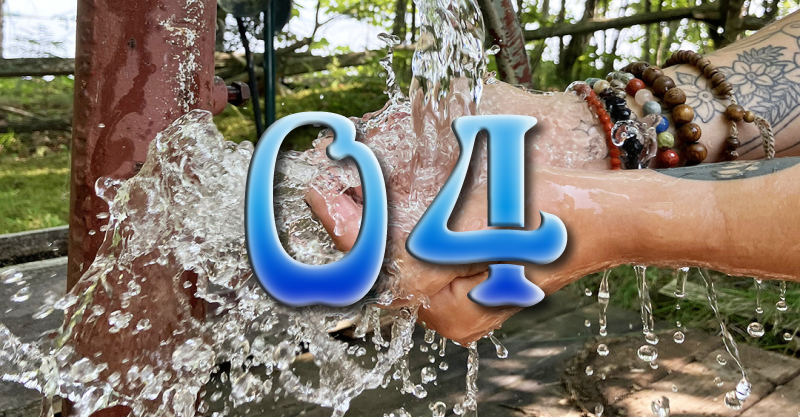
Pristine Water Resources: A Reality Check is the fourth in a series of essays on the Spirit of Water by the Water Stewards II. Published in the Marquette Monthly December, 2024.– Chuck Thomas Often the word...
Newsletter
Ecotone and Equinox Newsletters

Fall 2021 Equinox Newsletter
A sliver of tomato falls from my sandwich onto my shirt. I’m in the parking lot of a mall, about to pull out unto the highway. One hand on the steering-wheel, the other holding a fast-food sandwich which is disintegrating in my hand. This isn’t looking good. I see a parking space, turn and stop, shifting the transmission of my 2005 Jeep Cherokee into park. Taking a napkin from the sandwich bag, I dip it into a cup of water I’ve purchased from the drive-thru, to see if I can remove the stain. It’s not working. The stain spreads....
Spring 2021 Equinox Newsletter
Circles of caring. Formal and informal. We need them both – those who are trained and compensated – medical professionals, clergy, therapists, and social workers – but also others who provide another level of support, less visible, less recognized. Before time runs out for each of us and we wonder what happened, especially at the end of our lives, it might prove helpful to do some sorting out. A conversation from a couple of summers ago lingers in my memory. A longtime friend and his wife visited from the Pacific Northwest. My friend’s wife works as a front line...

Winter 2021 Ecotone Newsletter
There are moments when we catch glimpses of a deeper, gracious world. Something most of us don’t see as we stumble along, taking out garbage, paying bills, doing the ordinary but necessary chores that keep everything from falling apart. Savvy, trash talk comedians and TV talk show hosts build fortunes reminding us of just such fleeting, enlightened awareness. The 20th century theologian Richard Niebuhr actually called such moments the source of all true religious life. A year ago, in December, before the Great Pandemic, I attended a holiday concert performed by our local community symphony. It took place in...
Fall 2020 Equinox Newsletter
There are deep rhythms that shape individuals far more than outward clamor of politics and economics. Among them, transitions between life and death. Sometimes, such moments carry extraordinary glimpses of beauty. And hope. In July, I received a phone call regarding a 92-year-old Japanese-American who, her daughter informed me, was nearing the end of life. The daughter, along with her husband and son, invited me to accompany them during her mother’s final days. The woman’s daughter and I met on a patio outside our community’s newly constructed hospice facility. She related her mother’s onset of symptoms, their recent trip...

Spring 2020 Equinox Newsletter
A few weeks ago, prior to the “shelter-in-place” mandate from State and Federal authorities, I spent an afternoon as part of a medical team meeting with individuals struggling with challenges of opioid addiction. A physician led the team. Along with a nurse practitioner and an experienced LPN, I joined them as a representative of the faith community. Our meeting room had no windows, but was clean and comfortable. An examining table, a desk with a computer, blood pressure monitoring equipment, and other sterilized devices were neatly arranged. Patient interviews and check-ups, part of a biweekly and monthly routine, took...

Winter 2020 Ecotone Newsletter
I’m making my way up two flights of wooden stairs to a modest apartment where a colleague, a former social worker, is living with his wife. Gifted with uncanny instincts on how to collaborate with diverse agencies and deal with difficult personalities, he’s worked most of his professional life, quietly, behind the scenes, in shadows of prestige and power. Now, day-by-day, he’s approaching the end of his life having carried the diagnosis of serious illness over the past four years. I knock on the door. It’s unlatched, slightly ajar, as if expecting guests. He and his wife welcome me...
Spirituality and Environment
Articles on Spirituality and the Environment by the Institute Director along with occasional guest writers.
Giving Thanks
*This article, written by the Cedar Tree Director, was published in the Marquette Monthly December, 2019 The Secret...
Climate Change and the Children’s Crusade
*This article, written by the Cedar Tree Director, was published in the Mining Journal September, 2019 Climate Change...
Into the Mystic
*This article, written by the Cedar Tree Director, was published in the Marquette Monthly December, 2018 Into the...

A Kingdom Within
*This article, written by the Cedar Tree Director, is adapted from the Living Lutheran November, 2018, a national...
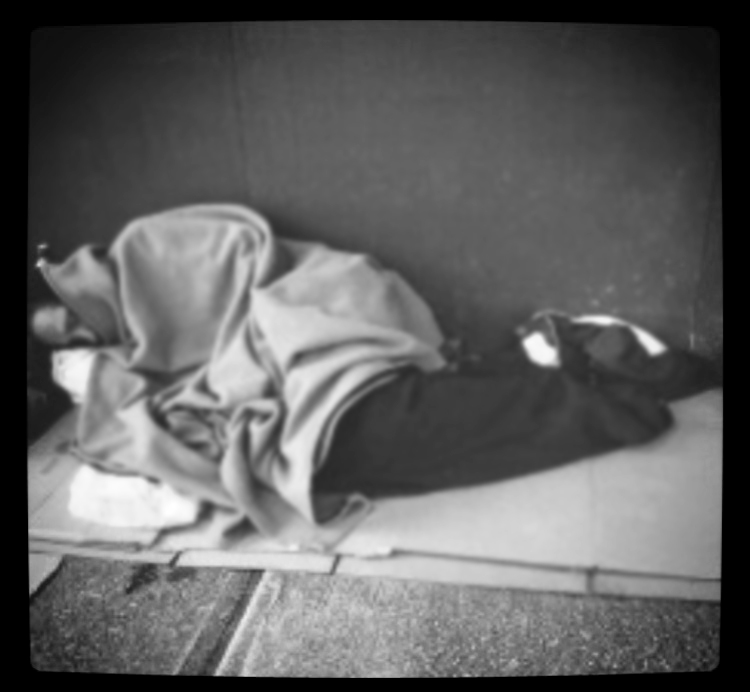
Via Dolorosa: Despair and Prayer among Seattle’s Homeless
Via Dolorosa Despair and Prayer among Seattle’s Homeless An abridged version of this article by Jon Magnuson appears...
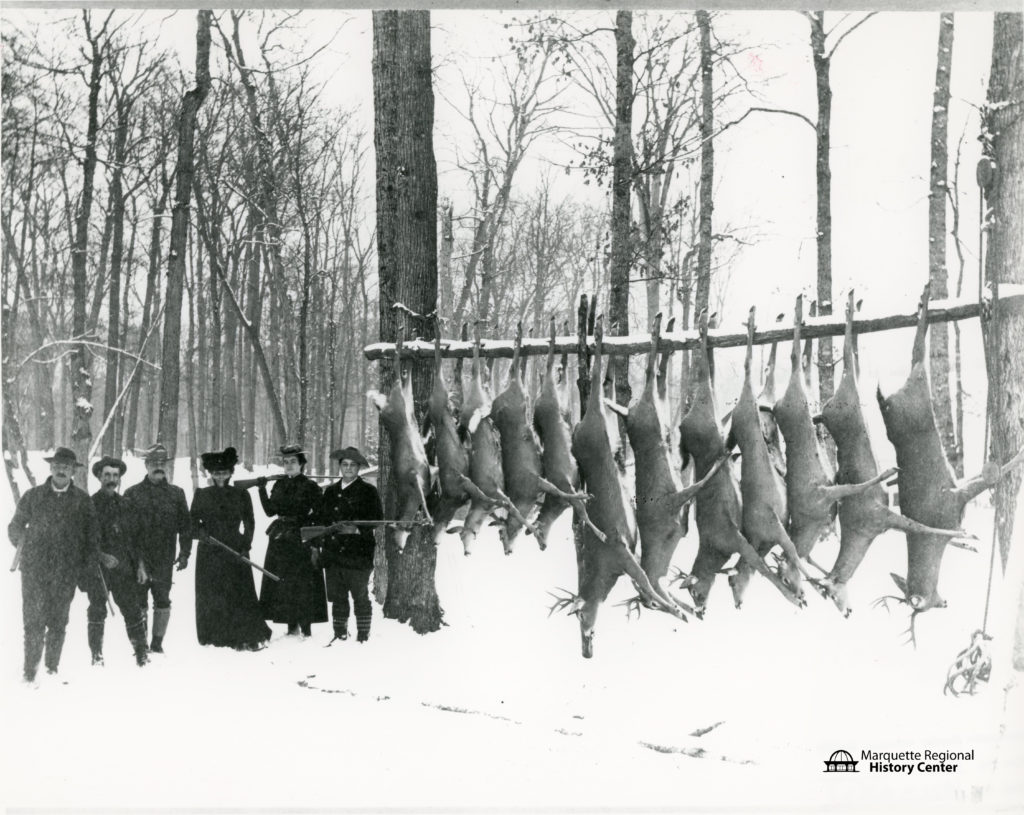
The Other Upper Peninsula: A View From The Wardrobe
he Other Upper Peninsula A View From The Wardrobe from Marquette Monthly December, 2017 By Jon Magnuson This...